I hang hammocks for a living, or close to it. Every summer I run a hammock camp in western North Carolina where 20-plus hammocks go up for a weekend, and each one gets watched for sag, checked for overnight fabric stretch, and scored on the only question that matters at 3 a.m.: would I still be asleep in it? This hammock suspension and swing comparison covers four very different pieces of gear. One is a replacement bed for a stand. One is a mesh net hammock. One is a length of Dyneema rope. One is a hammock chair swing. They are not fighting for the same job, and that is exactly why putting them side by side is useful: most people buy the wrong one because they never named the job first.
The short answer: if your stand is fine and the bed is shot, the SUNCREAT long replacement hammock is the direct fix. If you are building a hang from scratch, the rope is the piece that changes how the hammock sleeps, and the mesh net hammock is the one that gets used most on hot afternoons. The swing chair is a porch purchase, not a camping one.
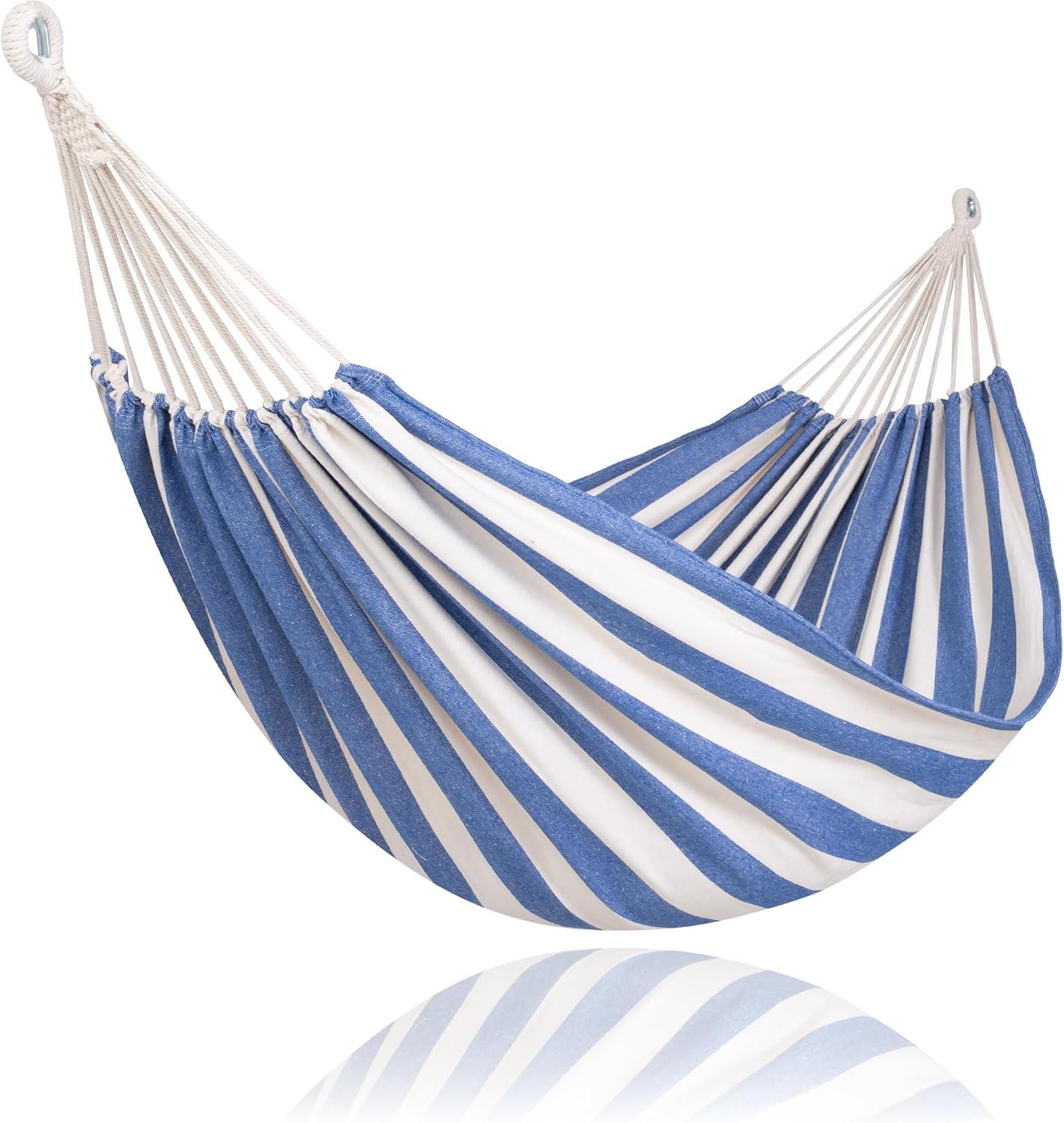
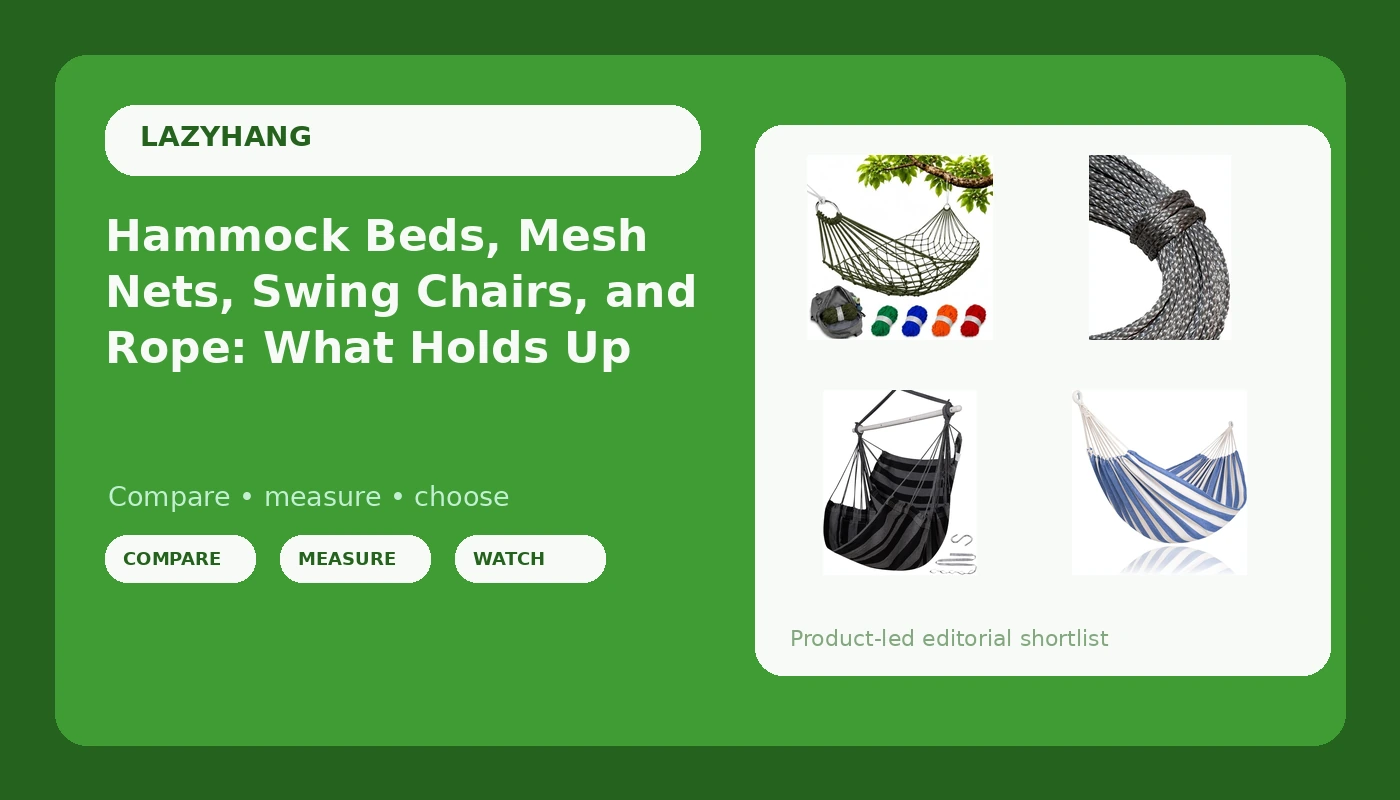
SUNCREAT Long Replacement Hammock Two Person for Stand, Blue White Stripes
A long two-person bed built to replace the fabric on a stand you already own, in a blue and white stripe that is easy to spot in a yard
Only makes sense if your stand's span matches it; it is a bed, not a suspension system
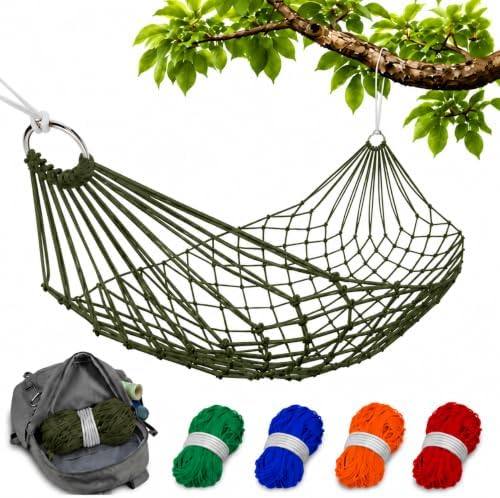
Mesh Hammock, Net Hammock for Outside Camping, 220 lb, Dark Green
Mesh drains and breathes, packs small, and the dark green hides a season of pollen and sap
A 220 lb rating means one adult; this is a single-person lounger, not a couple's bed
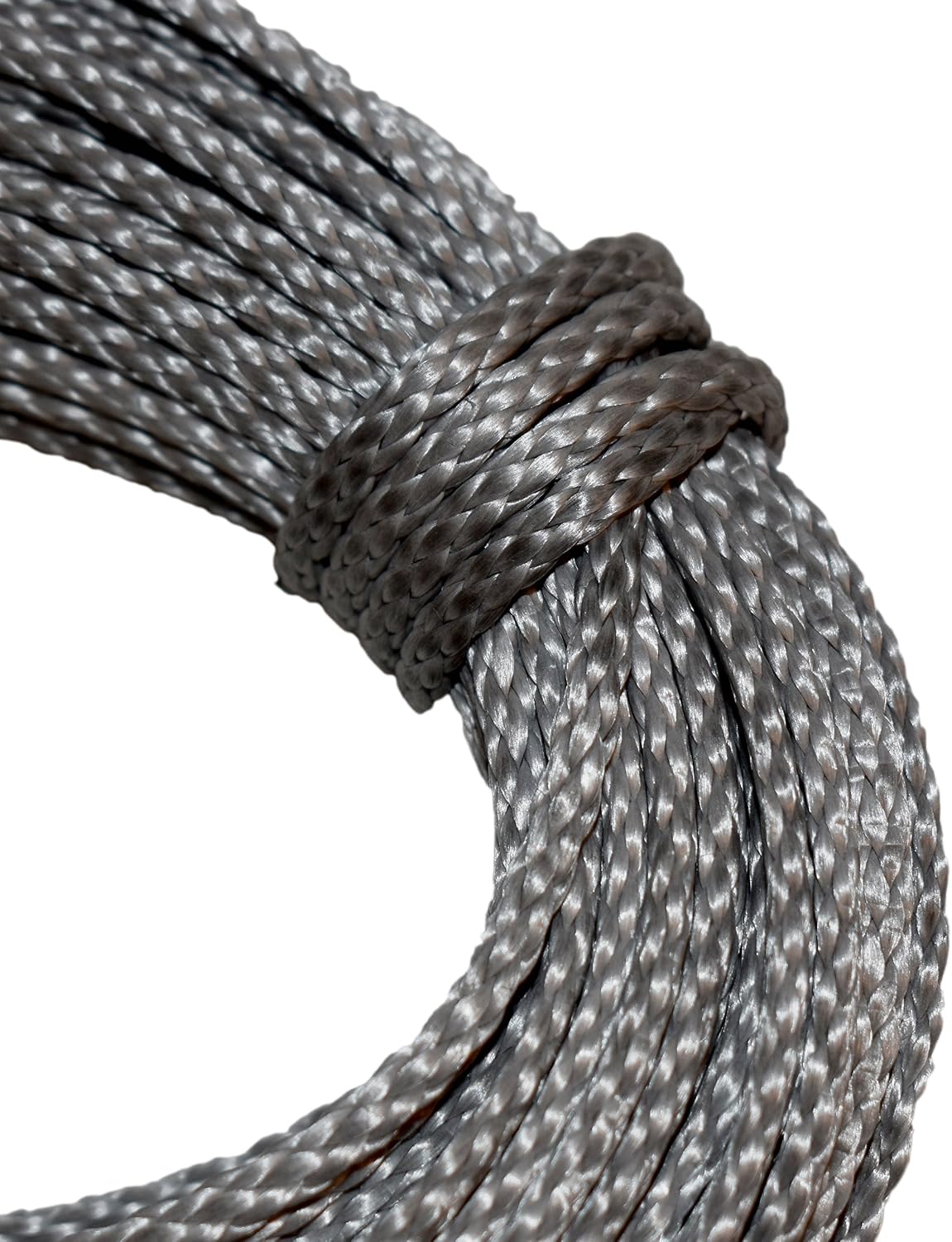
Samson Amsteel Blue Rope 1/4" Strong Dyneema Fiber, 8600 lb Tensile Strength, Torque Free, Low Stretch, 12 Strand, Easy to Splice, Wire Replacement and More (1/4" x 25', Silver)
An 8,600 lb tensile rating, low stretch and torque free, spliceable into whoopie slings or a structural ridgeline
It is raw cord, not a suspension kit, and it is never a substitute for wide tree straps
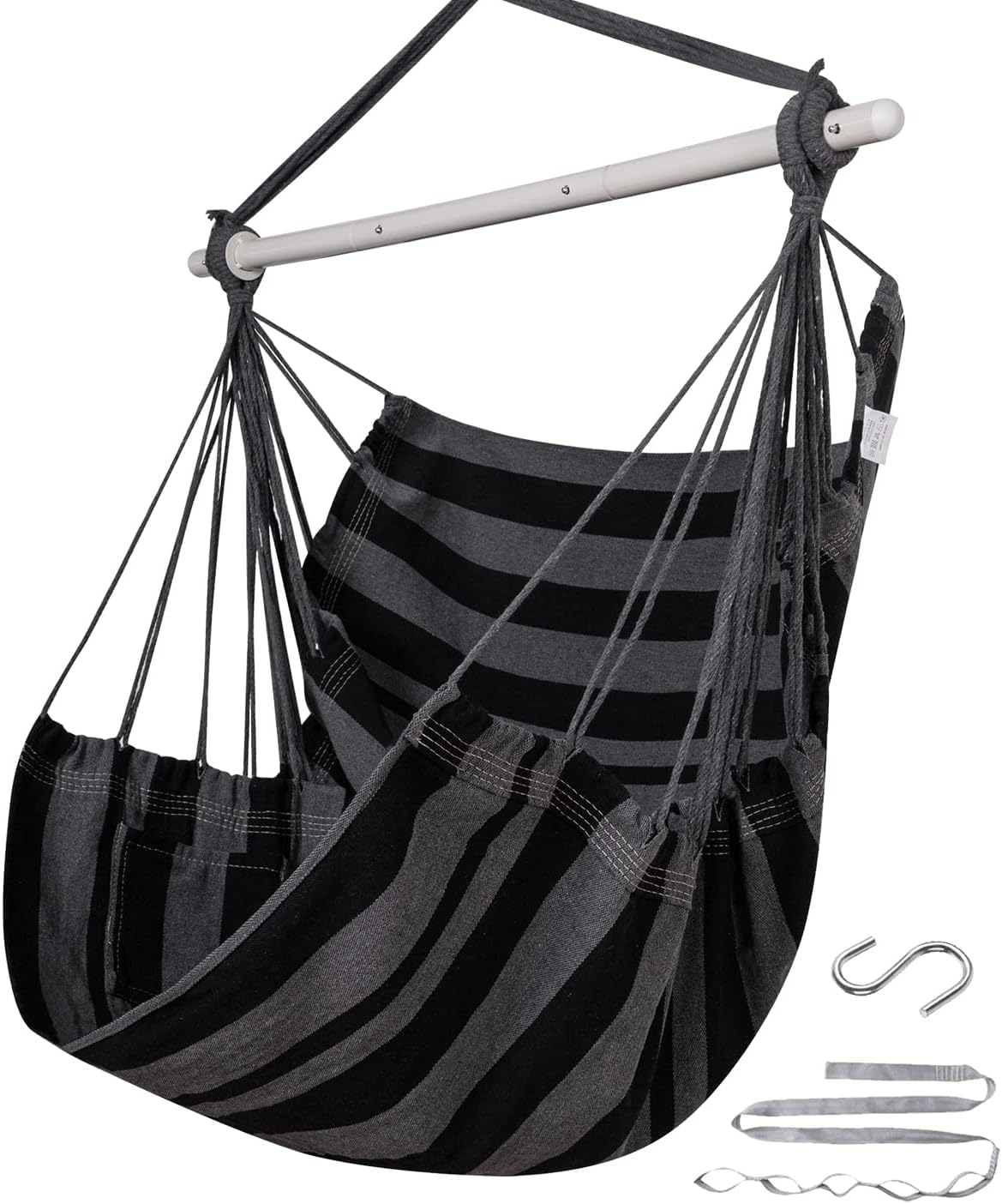
ADVOKAIR Hammock Chair Swing 500lbs Steel Bar Multi-Size Bedroom&Porch
A steel spreader bar holds the chair open so you sit instead of sinking, with a 500 lb rating and sizing for bedroom or porch
It is a chair, not a sleep system, and it lives or dies by the anchor point you hang it from
Prices and availability were captured from Amazon Creators API and may change.
How I judge hammock gear
A hammock is a geometry problem before it is a fabric problem. If the sag is wrong, no material quality saves the hang. My order of operations is always the same: does it sleep flat at roughly a 30-degree hang, are the straps wide and tree safe, does the fabric stretch out overnight, and would I trust it at 3 a.m. in the rain.
That last question is why I do not recommend gear I have not slept a full night in. It is also why this article is honest about what it is: a read on four product records and the jobs they fit, not a set of lab numbers I did not measure. What I can tell you is which role each piece plays, and where each one fails.
The other rule I do not bend: straps matter more than the hammock. Two-inch wide webbing protects the tree and holds you. Rope does neither. If a product page is selling you a hammock with rope in the box, that rope is the first thing you replace.
The replacement bed: SUNCREAT Long Replacement Hammock Two Person for Stand
This is the most misunderstood category in hammocks. A replacement bed is not a hammock you hang between trees. It is fabric sized to sit in a stand you already own, which means the stand is doing the structural work and the bed just has to fit it.
Two things decide whether a replacement bed works. First, span. A bed that is too long for the stand sags to the ground; too short and you are banana-curved no matter what angle you set. Second, width and length together, because this one is listed as a two-person bed. Two people in a hammock is a real geometry problem: you both roll toward the middle and the sag deepens under the combined weight, so a bed rated for two only works if the stand is rated for two and the fabric holds its shape overnight.
What I like about this one as a spec sheet is the simplicity of it. Long bed, two-person sizing, blue and white stripes that read clearly against grass and decking, which sounds cosmetic until you are the person who has to find the hammock in the dark. What I do not like is that it is entirely dependent on the stand you pair it with. Buy the bed first and you may find it does not fit the frame you have.
If your frame is solid and the fabric is what failed, this is the cheap, sensible fix. If you are starting from nothing, buy the stand and the bed together, and check the span before you commit.
The mesh net hammock: hot-weather lounging
Mesh, or net, hammocks are the ones I hand to people who tell me they overheat in anything. The open weave breathes, water passes straight through instead of pooling under you, and the whole thing packs down smaller than a solid fabric hammock of the same size. The dark green here also does you a favor: it does not show every bit of pollen, sap, and leaf litter the way a pale hammock does.
The catch is in the rating. This one is listed at 220 lb. That is one adult, comfortably, and it is not two adults and it is not an adult plus a kid plus a dog. If you want a couple's hammock, this is the wrong product, and the replacement bed above or a proper double camping hammock is the right one.
The second catch is that mesh is a lounging surface, not automatically a camping sleep system. Mesh alone will not keep mosquitoes off you and it will not keep rain off you. Those jobs belong to a bug net and a tarp, and if you are sleeping outside overnight, both of them are the difference between camping and surviving. For a backyard afternoon, a lake break, or a nap between two trees on a hot day, mesh is hard to beat. For a 3 a.m. rain event, it is one part of a system you have to finish yourself.
The rope: ridgelines and whoopie slings
Here is where I get opinionated. The single biggest upgrade you can make to a hang is not the hammock. It is the suspension, and specifically the structural ridgeline, the cord that sets the sag so the hammock hangs the same way every single time instead of however the trees happen to sit.
This Samson Amsteel Blue is 1/4 inch Dyneema with an 8,600 lb tensile rating, low stretch, torque free, and a 12-strand construction that is easy to splice. Read that list again, because those are the exact properties you want in a ridgeline or a set of whoopie slings. Low stretch means your sag does not creep overnight while you sleep, which is the difference between a flat hang at bedtime and a banana at 4 a.m. Torque free means it does not twist itself into a mess when you unload it. Spliceability means you can build an adjustable sling with a locked Brummel and a bury instead of tying knots, and splices keep far more of the rope's strength than knots do.
What this rope is not is a tree strap. Never wrap bare cord around a trunk. Thin cord concentrates force into a narrow band and damages the cambium layer, and a decade of that is visible on any popular camping tree. Two-inch webbing is the tree-safe answer, every time. Use the rope above the straps, for ridgelines and sling assemblies, and keep the webbing against the bark.
At 25 feet, one length covers a structural ridgeline for a typical gathered-end hammock with material to spare for a whoopie sling conversion. If you are not comfortable splicing, buy a finished suspension instead and save this rope for the ridgeline job, which is the easiest splice to learn.
The swing chair: porch and bedroom
A hammock chair is a different animal, and I say that as someone who owns two and makes fun of them. This ADVOKAIR swing uses a steel spreader bar, which is the detail that matters most. A spreader bar holds the fabric open so you sit in the chair rather than collapsing into a fabric taco. Chairs without one are fine for kids and miserable for adults.
The 500 lb rating is generous, and the multi-size, bedroom-and-porch framing tells you what this is built for: indoor corners, covered porches, and anywhere you have a rated beam or joist overhead. That anchor point is the whole installation. A swing chair is only as safe as what you hang it from, so find a structural beam, use proper hardware, and do not trust a decorative hook or a drywall anchor.
What it is not is a sleep system. You cannot lie flat in a chair, which means the flat-hang geometry that makes a hammock sleepable does not apply. It is a reading chair, a coffee chair, a "cancel your afternoon plans" chair. If you want to nap outdoors and wake up without a crick in your neck, buy a bed. If you want the best seat on the porch, buy the chair.
What the specs actually tell you
Put the four side by side and the pattern is capacity versus purpose. The 220 lb mesh hammock is a one-person lounger. The 500 lb chair is a single seat with a spreader bar and a hard anchor requirement. The replacement bed is a two-person fabric panel whose real limit is the stand under it, not the fabric itself. The rope is the outlier: 8,600 lb of tensile strength that holds no one, because it is structure, not furniture.
That is the trap in comparing hammock gear by numbers alone. A high weight rating on a chair does not make it sleepable. A low weight rating on a mesh hammock does not make it weak, it makes it specific. The rope's number is the highest in the group and the rope is the only item here you cannot sit in.
The other number that matters is not on any of these listings: your strap width. Two inches of webbing against the tree, every time. No rating on a hammock, a chair, or a rope changes that.
Stand, trees, or porch beam?
Name your anchor before you buy anything. That single question sorts these four cleanly.
If you have a stand, the replacement bed is your product. If you have two healthy trees with 12 to 15 feet between them and bark you want to keep, you are in camping hammock territory, and that means wide straps, a tarp for rain, and a bug net if the season calls for it. If you have a porch beam or a joist in a bedroom, the swing chair is the fit. And if you already own a hammock and hate how it hangs, the rope is the upgrade, because a structural ridgeline fixes sag in a way no fabric purchase can.
Buying in the wrong order is how people end up with a hammock they never use. Anchor first, then suspension, then the bed.
What I'm testing next
The 2026 hammock crop is on my bench right now: 10 units, two nights each, scored on sag consistency, overnight fabric stretch, and the 3 a.m. comfort test. The thing I am watching most closely is whether the budget entries hold their sag after a full night or slowly creep into banana territory, because that is the failure mode that turns a good first hour into a bad morning. I will report back with what actually held up, and what only looked good in the product photos.